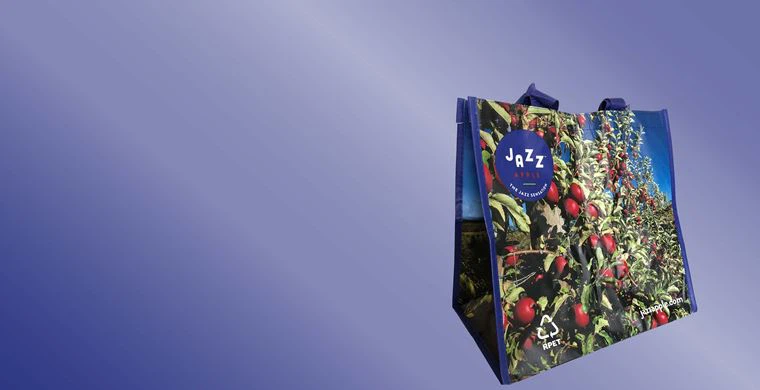
Branded cooler bags made with recycled PET are becoming a smart choice for companies that want promotional merchandise to do more than carry a logo. As procurement teams face rising pressure to support ESG goals, these reusable insulated bags offer a visible, practical, and data-friendly alternative to short-lived giveaways. A single 12-can design can repurpose roughly 6 to 12 plastic bottles, while RPET production may reduce energy use and emissions compared with virgin polyester. This article explains how these bags support brand campaigns, what sustainability claims buyers should verify, and which specifications influence performance, cost, and long-term promotional value.
Positioning Promotional Eco-Friendly RPET Cooler Bags
The corporate gifting sector has experienced a shift toward environmentally responsible merchandise, moving away from disposable novelties toward high-utility, sustainable goods. At the forefront of this transition are promotional eco-friendly RPET insulated cooler bags, which utilize Recycled Polyethylene Terephthalate derived from post-consumer plastic waste. The manufacturing process involves collecting, sorting, and sterilizing discarded PET bottles, which are then shredded into flakes and extruded into durable yarn.
Converting this plastic waste into functional textiles not only diverts refuse from landfills and oceans but also significantly reduces the carbon footprint associated with virgin polyester production. Life Cycle Assessments (LCAs) indicate that producing RPET can require up to 50% less energy and generate up to 70% fewer greenhouse gas emissions compared to virgin polyester, though exact figures vary by manufacturing facility. Depending on the supplier and specific bag design, a standard 12-can capacity cooler bag upcycles an estimated 6 to 12 standard 500ml PET bottles. This provides a measurable environmental impact metric that corporations can directly integrate into their annual sustainability reports.
Commercial Role in Brand Promotions
These insulated cooler bags are highly visible, practical items that offer extended lifecycle utility compared to single-use novelties. Organizations increasingly deploy these eco-friendly promotional items to authentically communicate their Environmental, Social, and Governance (ESG) commitments. By resisting rapid attrition, they ensure prolonged brand exposure at corporate retreats, outdoor events, and employee onboarding programs.
For branding, customization methods such as screen printing, heat transfer, and embroidery allow companies to prominently display their logos. Indicative market estimates show that standard minimum order quantities (MOQs) for custom-branded units typically range from 500 to 1,000 pieces, depending on the manufacturer. This allows companies to scale their promotional efforts efficiently while maintaining a premium brand perception that aligns with modern ecological values.
Buyer Expectations for Sustainability Claims
Modern procurement departments mandate strict substantiation for any environmental claims to mitigate the severe reputational risks associated with greenwashing. Buyers of such sustainable merchandise expect transparent supply chains where the recycled origin of the raw material is verified. This expectation extends well beyond the primary outer textile; buyers are now scrutinizing secondary components, pushing manufacturers to utilize recycled materials for webbing and zippers where feasible.
However, it is crucial to understand the limits of these claims. Because insulated cooler bags feature multi-material construction—typically combining an RPET shell, non-recycled EPE foam insulation, and a PEVA lining—they are generally not recyclable at the end of their lifespan. Buyers must recognize this distinction between being made from recycled content and being recyclable, ensuring end users are not misled about the product’s end-of-life disposal.
Key Specifications Affecting Performance and Cost
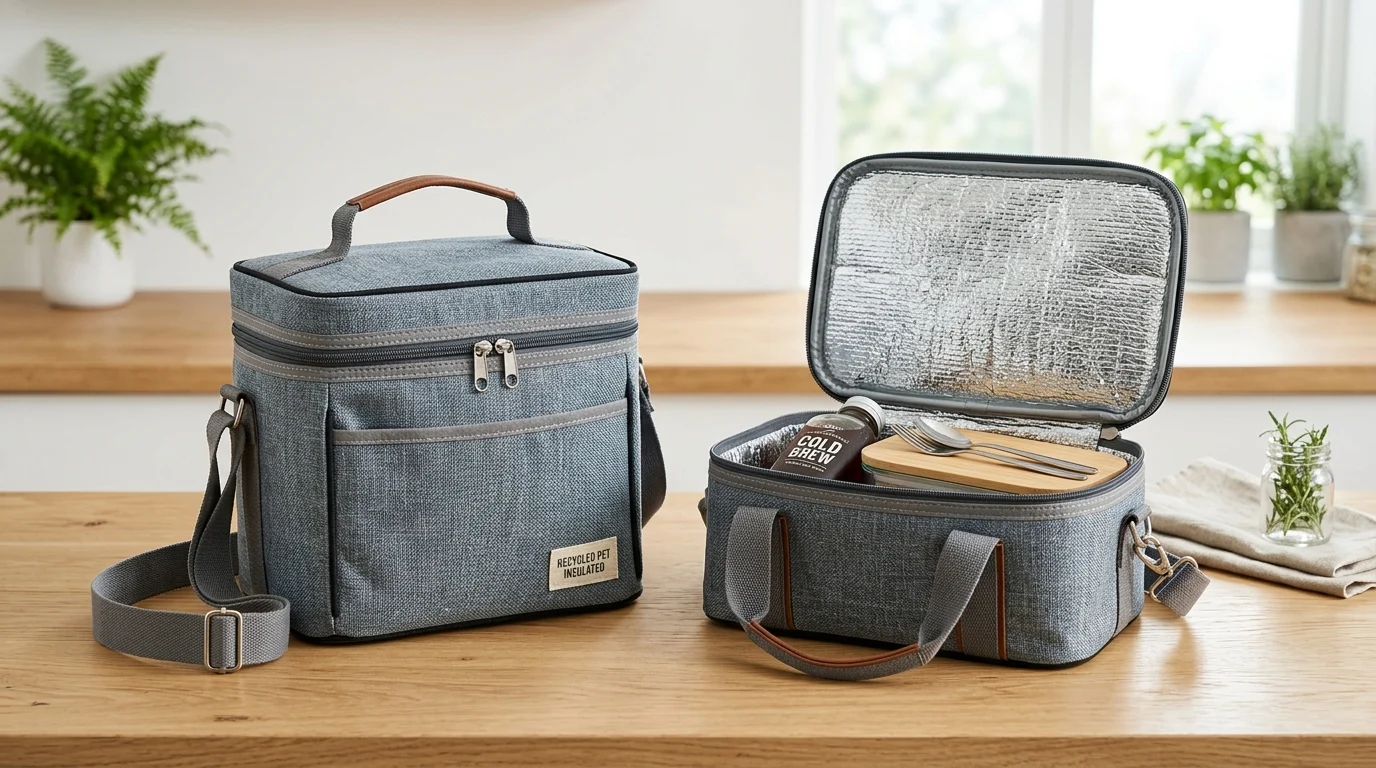
The functional efficacy, aesthetic appeal, and unit economics of an insulated cooler bag depend heavily on its precise material specifications. Procurement teams must carefully evaluate the technical interplay between the outer RPET shell, the thermal insulation core, and the internal food-safe lining. These variables influence thermal performance and base manufacturing costs, allowing buyers to map products to specific use cases—from economy bags for short grocery runs to premium models for full-day outdoor events. Based on indicative market estimates, industry unit costs range from $2.50 to $8.00, depending on order volume, region, and technical complexity.
RPET Fabric Weight and Insulation Structure
The structural integrity and abrasion resistance of the bag rely primarily on the denier (D) rating of the RPET fabric—a standard unit measuring yarn thickness and weight. A common industry configuration utilizes 600D RPET, which provides an optimal balance of durability and cost for general outdoor use, though lighter 420D or 210D variants are frequently selected for budget-conscious campaigns. Premium models often upgrade to 900D RPET for enhanced ruggedness. Thermal performance is determined by the middle insulation layer, commonly composed of Expanded Polyethylene (EPE) foam ranging from 2mm to 10mm in thickness, with 8mm to 10mm reserved for high-end retention. The inner lining is crucial for waterproofing; high-frequency heat-sealed PEVA (Polyethylene Vinyl Acetate) is preferred over stitched aluminum foil to prevent liquid leakage from melting ice.
Buyers should note that while PEVA is excellent for waterproofing, it has limitations at very high temperatures. Additionally, RPET fabric can exhibit slightly higher moisture absorption and odor retention than virgin polyester, making recommended care instructions essential. Users should be advised to hand-wash or spot-clean the bags; machine washing can cause material degradation and trigger RPET microplastic shedding. When selecting premium options like antimicrobial PEVA, buyers should verify these claims with the supplier, as defined industry standards can vary.
Note: Thermal retention times in the table below are indicative estimates. No standard test protocol was used; actual performance depends heavily on ambient temperature, the ice-to-content ratio, and the initial temperature of the contents.
| Specification Level | Outer RPET Fabric | EPE Foam Thickness | Inner Lining Material | Estimated Thermal Retention |
|---|---|---|---|---|
| Economy | 210D RPET | 2mm – 3mm | Aluminum Foil (Stitched) | 2 to 4 hours |
| Standard | 600D RPET | 4mm – 5mm | PEVA (Heat Sealed) | 4 to 6 hours |
| Premium | 900D RPET | 8mm – 10mm | Antimicrobial PEVA | 8 to 12 hours |
Trade-Offs Between Recycled Content and Durability
While maximizing post-consumer recycled content is the primary objective for these cooler bags, manufacturers must carefully balance sustainability metrics with long-term durability. Fabrics composed of 100% RPET exhibit slightly lower tensile strength and tear resistance compared to virgin polyester equivalents, though industry estimates suggest they remain structurally sufficient to comfortably carry loads of 10 to 15 kilograms. To achieve higher durability for heavy-duty commercial applications, some manufacturers blend RPET with virgin fibers, though this inherently dilutes the product’s sustainability claim.
Furthermore, procurement teams must budget for the reality that certified RPET fabrics often carry an estimated cost premium of 15% to 25% over virgin materials.
Sourcing, Verification, and Procurement Decisions
Procuring reliable promotional eco-friendly RPET insulated cooler bags requires strict vetting protocols to ensure that corporate sustainability claims match the physical product realities. Buyers must navigate complex global supply chains while actively mitigating greenwashing and quality risks.
Compliance, Certification, and Labeling Requirements
Validating the authenticity of recycled polyethylene terephthalate (RPET) is the foundational step in sustainable sourcing. Suppliers must provide valid transaction certificates under the Global Recycled Standard (GRS) or the Recycled Claim Standard (RCS). These international frameworks track the chain of custody from post-consumer plastic waste through yarn extrusion to the final woven fabric.
Beyond the exterior material, the internal thermal insulation must meet strict food-contact safety regulations. For the United States market, PEVA or aluminum foil linings must comply with FDA regulations (21 CFR 177.1520), while European imports require adherence to LFGB standards to ensure no toxic chemical migration occurs. Furthermore, labeling must align with regulatory frameworks like the FTC’s Green Guides or the EU Green Claims Directive. These guidelines mandate that product tags explicitly state the exact percentage of recycled content rather than relying on vague, unsubstantiated “eco-friendly” terminology.
Decision Framework for Balancing Cost, Quality, and Risk
Balancing budget constraints with sustainability goals requires a structured procurement matrix. Relying solely on the lowest unit price often introduces severe compliance risks, including the substitution of virgin polyester for RPET or poor thermal retention capabilities.
| Evaluation Criteria | High-Priority Indicators | Risk Mitigation Strategy |
|---|---|---|
| Cost | Transparent BOM (Bill of Materials) pricing | Request itemized quotes separating RPET fabric, insulation lining, and labor costs. |
| Quality | Minimum 600D RPET density; reinforced stitching | Mandate pre-shipment inspections (AQL 2.5/4.0) focusing on zipper durability and load-bearing handles. |
| Risk | Valid GRS, BSCI, or Sedex audit reports | Conduct third-party factory audits to verify ethical labor practices and material origin. |
When finalizing orders for promotional eco-friendly RPET insulated cooler bags, procurement teams should implement contract clauses for certification failures. By prioritizing suppliers with integrated manufacturing—where yarn sourcing and bag assembly occur within a transparent ecosystem—importers can stabilize costs while securing verifiable sustainability metrics.
Key Takeaways
- Choose RPET cooler bags when you need a practical promotional item that supports ESG messaging and offers longer brand exposure than disposable giveaways.
- Ask suppliers to confirm the recycled content and bottle-equivalent estimate, as a standard 12-can cooler bag may upcycle about 6 to 12 PET bottles.
- Use accurate sustainability language by distinguishing between products made from recycled materials and products that are recyclable at end of life.
- Plan custom orders around typical MOQs of 500 to 1,000 units, and confirm branding costs for screen printing, heat transfer, or embroidery early in procurement.
- Review the full material structure, including RPET fabric, insulation, lining, webbing, and zippers, because these details affect cost, durability, and claim credibility.
Frequently Asked Questions
What is RPET in cooler bags?
RPET is recycled polyethylene terephthalate, usually made from post-consumer PET bottles. In cooler bags, it is commonly used for the outer fabric, giving brands a practical way to reduce reliance on virgin polyester.
How many plastic bottles can one RPET cooler bag reuse?
A typical 12-can RPET insulated cooler bag may reuse about 6 to 12 standard 500ml PET bottles, depending on the bag size, fabric weight, and supplier specifications.
Are RPET insulated cooler bags fully recyclable?
Usually no. While the outer shell may contain recycled PET, cooler bags often include EPE foam insulation and PEVA lining, making them multi-material products that are generally not recyclable at end of life.
What branding methods work best for RPET cooler bags?
Common options include screen printing, heat transfer, and embroidery. The best choice depends on logo complexity, order quantity, budget, and the desired premium look for the campaign.
What MOQ should buyers expect for custom RPET cooler bags?
Custom orders often start around 500 to 1,000 pieces, though the exact MOQ depends on bag design, branding method, material selection, and supplier requirements.